Tapestry Themes #7: The Fight for Votes and Equality

Theme Seven: The Fight for Votes & Equality
The team working on this panel have predominantly been researching the women's suffrage movement in Manchester. Manchester is particularly important in the history of the fight for women's suffrage, as in 1903, Emmeline Pankhurst founded the 'Women's Social and Political Union (WSPU)' at her home on Nelson Street (now known as The Pankhurst Centre/Museum). You can find more information about the Pankhurst Museum here.
It has been fascinating to see how many important and influential women have been featured in the team's research, including up to the present day!

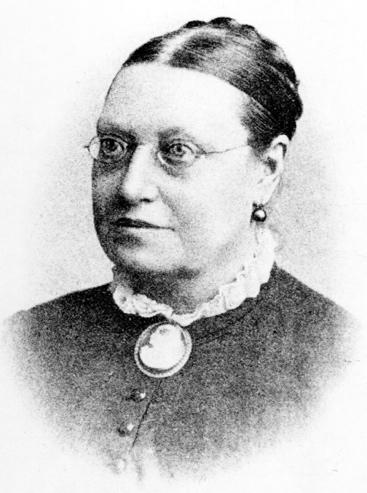
The team have found lots of brilliant research about notable suffragettes, including Lydia Becker, editor of the Women's Suffrage Journal, who's archives are held at Manchester Central Library, where our researchers have been working.
'In 1866 Lydia heard Barbara Bodichon give a lecture on women's suffrage at a meeting in Manchester. She was immediately converted to the idea that women should have the vote and wrote an article Female Suffrage for the magazine, The Contemporary Review. Emily Davies and Elizabeth Wolstenholme were two of the women who read the article and later that year they joined with Lydia Becker to form the Manchester Women's Suffrage Committee. Wolstenholme then arranged to have 10,000 copies of the article printed as a pamphlet.' (Simkin, J. 1997)
The group also found some brilliant images and information about Manchester University students' massive participation in 'Reclaim the Night', a movement started in Leeds in 1977 to campaign against violence against women.
Women reclaim the night!
Dear Sisters, You’ve heard of the torchlight procession to “reclaim the night” for women which has been held in Germany. We are planning to use the same idea here. The Leeds group have asked women around the country to hold a procession on 12th November. The Rape Action Group are co-ordinating the procession in Manchester.
(Extract from Manchester Women’s Liberation Newsletter, Issue 2, November 1975, available for consultation on request in Manchester Central Library)

The group also found a wonderful banner of Manchester & Salford Women's Trades & Labour Council.
‘The Manchester and Salford Women’s Trade Union Council was set up in 1895 to organise women workers into trade unions. At this time trade unions were organisations of men; they were either indifferent to or opposed to women workers joining trade unions…
The Minutes tell the story of how a small group of philanthropists, including C.P. Scott, the editor of the Manchester Guardian and Julia Gaskell, daughter of author and social campaigner Elizabeth Gaskell formed the MSWTUC which then went onto to be shaped by less-well known grassroots activists including Mrs. Olive Aldridge, Sarah Reddish, Eve Gore Booth, Mary Quaile and the many anonymous women and men who assisted and supported women in setting up their own trade unions and challenging injustice and inequality at work.
The Council worked hard to organise women in laundries, bookbinding, shirtmaking, boxmaking, printing, the India rubber trade, tailoring and upholstering. By 1900 it had 950 members and two paid organisers.’
(Working Class Movement Library)
