Tapestry Themes #18: Everyday Manchester: Daily Life in a Multicultural City

Theme Eighteen: Everyday Manchester: Daily Life in a Multicultural City
We felt it was important to have a panel in our tapestry which depicts everyday life for those in our city. From public transport, to markets, to local businesses, this team researched a wide range of local areas and public schemes which makes Manchester such a unique and exciting place to live.

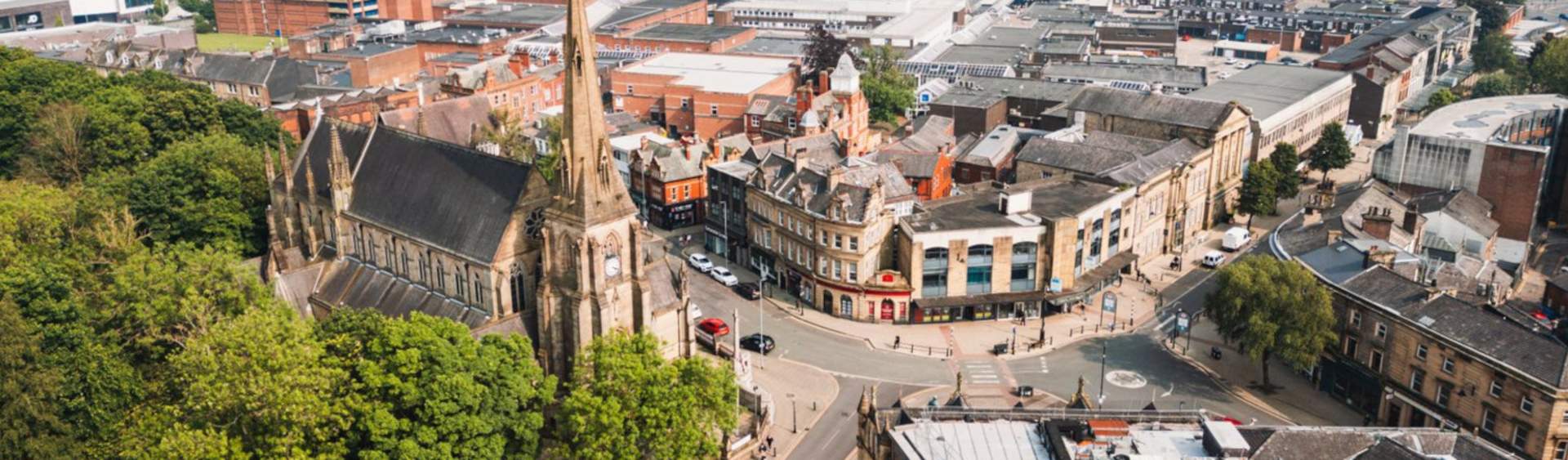
The team researched life and activities in Bury, as well as its history. Bury is a market town in North Manchester and it's name comes from the Saxon word for 'stronghold'. During the Industrial Revolution, it became a place for textile manufacture and became part of Greater Manchester in 1974. Bury was also the birthplace of Sir Robert Peel, prime minister of the UK from 1834-1835 and again from 1841-1846 (during the time of Queen Victoria).
'Bury market is the home and “capital” of the black pudding, a staple of Lancashire cuisine. Its origins in the European “blood sausage” brought to the UK by monks. The iconic Bury-style Black Pudding became established in the early 19th century (records suggesting that production began at Casewell's in 1810).
Renowned for its traditional atmosphere, the historic award winning Bury market has its roots back in a Royal Charter of 1444 and has occupied the same site for nearly 600 years. Following a fire in 1968, the market hall was rebuilt in 1971. Bury market has been the recipient of a number of awards including: British Market of the Year 2006 and BBC Radio 4 Food and Farming Award 2008.'
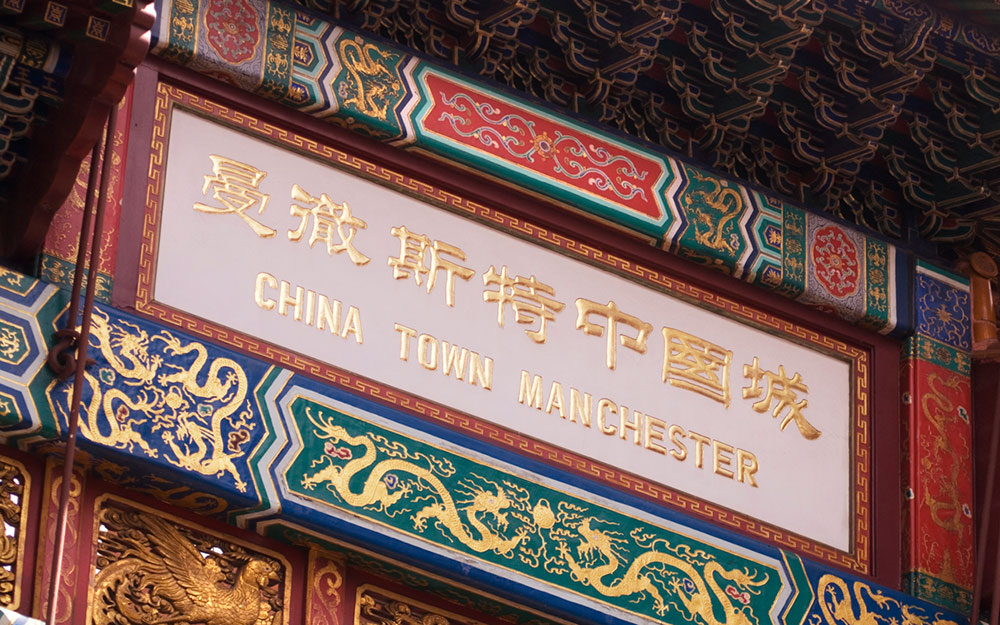
The team also researched Chinese New Year and Chinatown in Central Manchester. Manchester's Chinatown is the second largest in the UK, with a thriving hub of restaurants, shops, authentic Asian supermarkets and bakeries. The archway, built in 1987 was an official gift from Beijing and was the largest in the UK until 2000.
'The first Chinese settlers arrived in Manchester in the early days of the 20th century - choosing Manchester as an alternative location to Liverpool where another community was already beginning to settle and grow. Many arrived alone and were engaged in what is seen as a the traditional trade of laundries. But it wasn't until the 1940s that larger numbers arrived and in 1948 the first Chinese restaurant, the Ping Hong on Mosley Street, opened. Over the following decade or so another 16 restaurants opened. By the 1950's the growth of home washing and chain laundries forced the to look at alternative employment and many moved into takeaways and restaurants. Some of the more famous restaurants in what was now developing as a Chinese quarter of the city, arrived in the 1970s and included Charlie Chans (1973), the Woo Sang (1976) and The Little Yang Sing (1978).' (BBC)
Manchester is also known for its excellent public transport. The team found some great images of the Bee Network and cycle hire scheme which makes green travel accessible for all. The Cycle Scheme was introduced in 2021 and The Bee Network was officially launched in 2023 by the mayor of Greater Manchester Andy Burnham, with all the city's buses and trams now under public ownership. There are upcoming plans for local railways to also come under public ownership too.
'Manchester is recognised as the 34th most bicycle-friendly city in the world- just one spot behind London. The Bee Network Cycle Hire scheme, with stations across Manchester, Trafford and Salford and handily close to trams, trains and buses, makes it perfect for everyday commuting and seeing the sights so, for students, workers and visitors alike, cycling offers an easy and affordable way to get around either by bicycle or e-bike.'
